Retail Shake-Up: Loblaws Closures and Mall Revitalizations Reshape Canadian CRE
The Canadian commercial real estate (CRE) landscape is currently a dynamic tableau of strategic maneuvers, transformative renovations, and evolving consumer and corporate demands. From the bustling corridors of Toronto's iconic Union Station to the expansive floorplans of major retail hubs, stakeholders across the nation are witnessing a significant reshaping of how we shop, work, and invest. This comprehensive commercial real estate roundup delves into the latest trends, unpacking the implications of Loblaws' strategic store closures, the ongoing revitalization of Canada's premier shopping malls, and the exciting shifts in office space design and investment.
The Grocery Gauntlet: Loblaws' Strategic Retreat and Industry Shake-Up
The Canadian grocery sector has long been characterized by fierce competition, and recent announcements underscore just how intense this battle remains. A significant development shaking the retail segment was Loblaws' decision to close 52 unprofitable stores across Canada. This move, while impactful, is not an isolated event but rather a symptom of broader industry pressures. The market has been in a state of flux since Target's much-publicized exit from Canada, leaving a void that other retailers eagerly sought to fill. Simultaneously, giants like Walmart have been feverishly expanding their footprint, converting many of their stores to the larger, more comprehensive Supercentre concept, further intensifying the fight for market share and customer loyalty.
Loblaws' strategic retreat signals a clear intent to streamline operations, shedding underperforming assets to focus on profitability and efficiency in its remaining portfolio. For the commercial real estate sector, these closures present a mixed bag of challenges and opportunities. Landlords with these now-vacant properties face the task of finding new tenants in a competitive environment. However, these large retail footprints can also become prime candidates for redevelopment, attracting everything from alternative retail concepts, specialized grocers, or even conversion into mixed-use developments that blend residential, office, and retail components. This ongoing consolidation and strategic rightsizing are essential for the long-term health of the grocery industry, forcing players to innovate and optimize their physical presence to match evolving consumer preferences.
Malls Reimagined: Toronto's Retail Renaissance and the Experience Economy
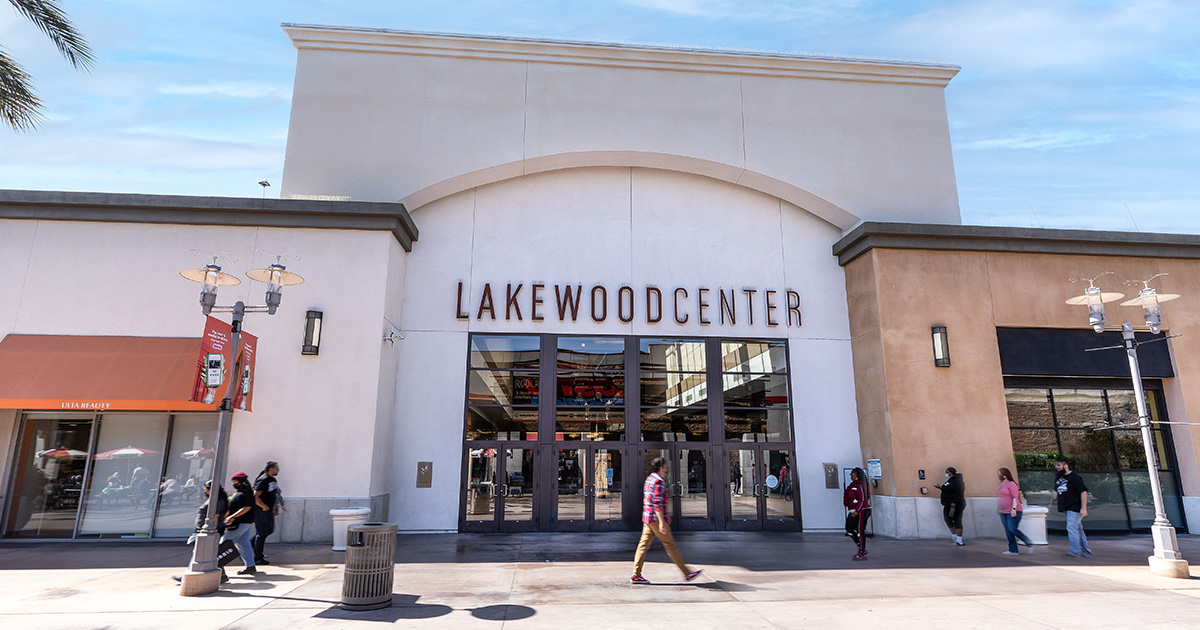
While some traditional retail spaces face headwinds, others are undergoing an inspiring renaissance, especially in major urban centers like Toronto. The retail industry as a whole is in a state of profound transition, moving beyond simple transactions to embrace the "experience economy." Canada's leading shopping centres – including Toronto's iconic Yorkdale, Sherway Gardens, and Square One – are at the forefront of this transformation. These malls are investing significant capital dollars into ambitious expansion and renovation projects, not just to attract new tenants but to fundamentally redefine the shopping experience.
The objective is clear: to create vibrant destinations that offer more than just goods. These revitalized centres are curating a mix of world-class retailers, premium dining experiences, entertainment options, and community spaces designed to encourage longer visits and foster a sense of place. From luxury brands making their Canadian debut to innovative food halls and experiential pop-ups, the strategy is about engaging consumers on multiple levels. This shift is also evident in transit hubs like Toronto's Union Station, which has undergone a massive renovation to become a modern, integrated transportation and retail hub. New retailers and diverse food tenants are being brought in, epitomized by an 8-week food market designed to allow business people, residents, and tourists to sample new culinary offerings. These projects highlight a proactive approach by landlords and developers to adapt to changing consumer behaviour, ensuring that physical retail remains a compelling and integral part of the urban fabric.
Beyond Bay Street: The Evolution of Canadian Office Spaces
The way Canadians work is fundamentally changing, and with it, the demand for commercial office space. The once-sacrosanct private office with large windows for senior management is becoming a relic of the past in many sectors. Law firms, accounting firms, and other professional services are increasingly adopting open-work environments designed to foster collaboration, flexibility, and a more egalitarian workplace culture. This evolution isn't just about aesthetics; it's about optimizing space, improving employee wellness, and enhancing productivity. Businesses are investing in improved amenities, ranging from state-of-the-art fitness centres and communal lounges to diverse food options and quiet zones for focused work.
Furthermore, the rise of paperless environments and robust digital infrastructure has enabled a significant shift towards flexible work models. Employees are now often empowered to work from home, client offices, or various co-working spaces, reducing the need for every employee to have a dedicated desk five days a week. This flexibility is a powerful tool for talent attraction and retention in a competitive job market.
In Toronto, this evolution is also reflected geographically. While Bay Street remains synonymous with corporate prestige, a compelling new trend has emerged: the rapid growth of office leasing south of Front Street. This popular node has become a magnet for businesses, boasting a remarkably low vacancy rate of 1.7%. A tremendous amount of new development, totaling over 5 million square feet of office space, has transformed this area into a vibrant business district. It offers modern, adaptable spaces that appeal to companies seeking contemporary design, excellent transit access, and a lively urban environment, proving that the traditional definition of prime office real estate continues to expand. For a deeper dive into these transformations, explore our related article:
Open Offices & New Hubs: Navigating Toronto's Evolving Commercial Office Scene.
The Investment Undercurrent: Sunlife's Strategic Play and Market Dynamics
Beyond the visible changes in retail and office spaces, the financial underpinnings of the commercial real estate market are also experiencing significant shifts. A noteworthy event in the investment sphere was the acquisition of investment manager Bentall Kennedy Group by Sunlife Financial for a substantial $560 million. This strategic move dramatically alters the landscape of institutional real estate investment in Canada and beyond. Prior to the acquisition, Bentall Kennedy managed an impressive $27 billion in assets, encompassing 91 million square feet of properties. With Sunlife's backing, the combined entity now boasts a formidable $47 billion in assets under management.
Such high-profile acquisitions highlight a broader trend of consolidation within the investment management industry, where larger financial institutions are seeking to expand their real estate portfolios and leverage economies of scale. For investors, this consolidation can mean enhanced access to diversified real estate opportunities, deeper market insights, and more robust asset management capabilities. It also reflects confidence in the long-term stability and growth potential of the commercial real estate market, even amidst sectoral adjustments. These strategic mergers allow for greater capital deployment into new developments and existing properties, shaping the future supply and demand dynamics across all CRE asset classes. To understand the full implications of this major financial move, we recommend reading:
Sunlife's $560M Acquisition: What It Means for Commercial Real Estate Investment.
Navigating the Nuances: The Role of Expertise in a Shifting Market
In an environment characterized by such rapid change and complex transactions, the role of experienced commercial real estate professionals becomes paramount. Whether it's a major corporation leasing new office space, a developer seeking to repurpose a former retail big box, or an investor eyeing a multi-million dollar acquisition, navigating the intricacies of the CRE industry can be a daunting and stressful experience.
A critical aspect of professional guidance involves educating clients on market trends, legal frameworks, and negotiation strategies. Understanding each clause in an agreement, assessing market comparables, and anticipating future challenges are all vital components. Even clients who have been through the process before can benefit immensely from daily market insights and seasoned negotiation skills. In a market where a 1.7% vacancy rate south of Front Street or the strategic closures of dozens of Loblaws stores can significantly alter property values and opportunities, having an expert by your side is not just an advantage—it's often a necessity for making informed decisions and securing the best outcomes.
Conclusion
The Canadian commercial real estate market is undeniably in a period of exciting transformation. From Loblaws' strategic closures recalibrating the retail landscape to the innovative revitalizations breathing new life into shopping malls and transit hubs, and the fundamental reimagining of office spaces, change is the only constant. These shifts, coupled with significant investment plays like Sunlife's acquisition of Bentall Kennedy, underscore the dynamic and resilient nature of Canada's CRE sector. For businesses, investors, and developers alike, understanding these evolving trends and leveraging expert guidance will be crucial for navigating the opportunities and challenges that lie ahead in this vibrant commercial real estate roundup.